Why Is There Salmon Sperm in My Serum?
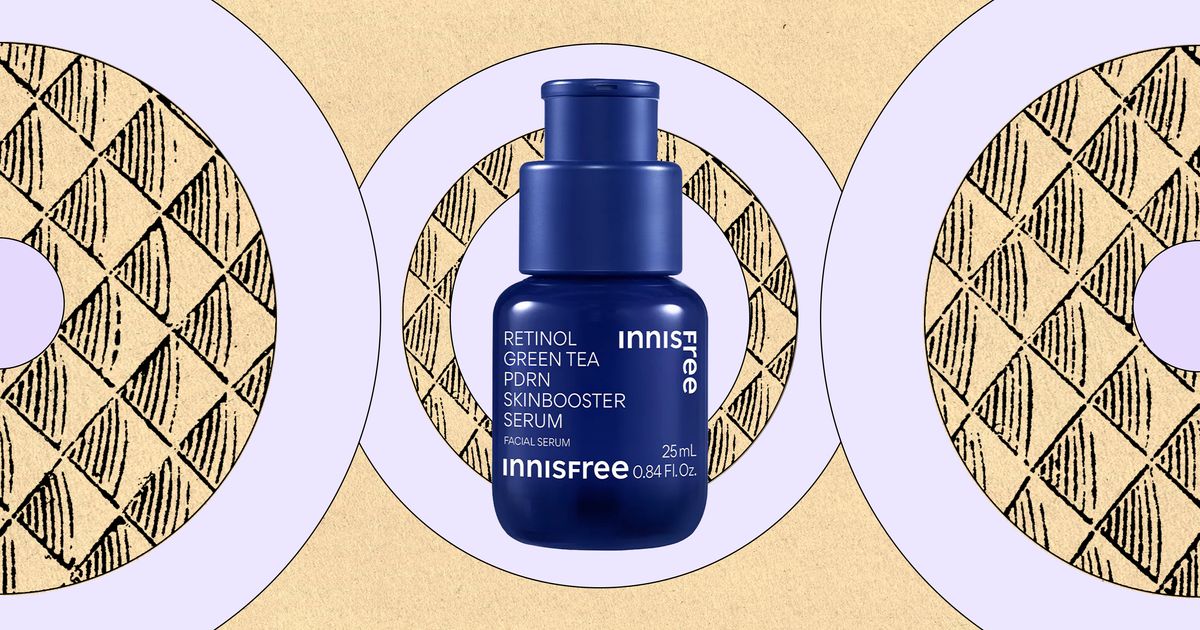
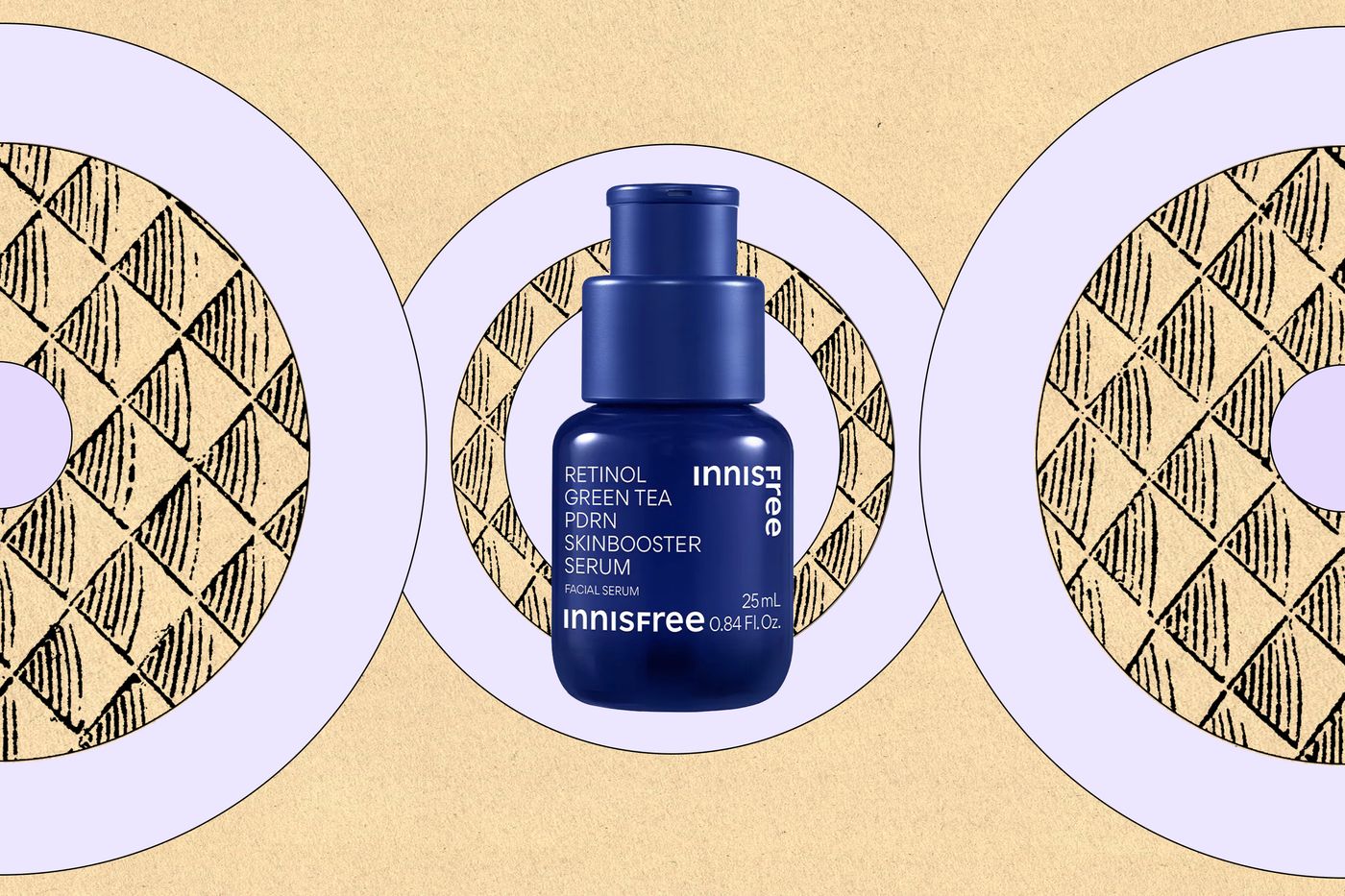
Photo-Illustration: The Strategist; Photo: Retailer
I started getting emails about salmon-sperm serums earlier this year, and if you’re plugged in to the beauty side of social media, you’ve probably heard of it used in facials and injectables. (If not, don’t worry, I get into it more below.) The ingredient has some real studies to back up claims that it helps with wound-healing, anti-aging, and overall glowiness, but I was curious if it’s as effective when it’s not used in a clinical setting. To get a better sense of what this buzzy ingredient is, how it works, and whether it’s worth buying, I asked the experts, including a dermatologist, cosmetic chemist, cosmetologist, and med-spa owner.
Salmon PDRN (which stands for polydeoxyribonucleotides) is DNA derived from salmon and most commonly extracted from salmon gonads (hence, the term “salmon sperm”). The nucleotides in salmon DNA share similar properties to human DNA, so it’s been used as an injectable in European countries and South Korea most notably as a skin-regenerative treatment. This method isn’t FDA approved, so med spas and clinics in the U.S. are instead applying it topically post-laser and microneedling. You’ll also see it listed in a new crop of serums and masks that are sold direct to consumers.
PDRN stimulates tissue repair by activating the A2 receptor, which is used for revascularization. Put more simply, board-certified dermatologist Dr. Saami Khalifian likes to call PDRN a “biochemical cue” or a signal to our body to do something. The “cue” that PDRN facilitates is faster wound healing and anti-inflammation. In the case of post-treatments, this can lead to less downtime and better, longer-lasting results. It’s also shown improvements in skin hydration, brightness, elasticity, increased collagen, and less acne scarring and a slight decrease in wrinkle depth. Gabby Garritano, JECT founder and board-certified physician’s assistant, adds that a microneedling treatment followed by PDRN is also a good option for melasma patients instead of a heavy-duty laser treatment or strong chemical peel. “You’re not giving the melanocytes the time to flare up more pigment, which can rebound melasma. That’s something that sometimes happens post-laser,” she says.
All of the experts I spoke to said there were no recorded adverse reactions to using salmon PDRN. “Of course there could be something that happened that wasn’t reported, but according to the pharmaceutical company, there have been no reported large adverse events,” says Garritano. She adds that if you have a fish allergy or have anaphylaxis it may be worth running it by your physician, but “it’s not that you’re actually getting fish on your face, it’s just a form of DNA.”
No. The molecule size of PDRN is large, which is why treatments like microneedling and lasers are needed for it to penetrate the skin. The healing benefits come from the deeper layers of the skin, and simply applying a PDRN serum topically without creating that pathway won’t lead to fewer scars and fine lines. But, because it’s sitting on the top layer of the skin, a PDRN serum can help with hydration and soothing. “It’s going to be muted in comparison to what someone would see procedurally because our skin barrier is very good at keeping the outside world out,” says Dr. Khalifian. “Do I think you’ll see some improvement? Yes. But it’s going to take longer and it’s not going to be quite as robust.” Dr. Daniel Gould, a Beverly Hills–based board-certified plastic surgeon, adds that at-home products aren’t FDA-approved for any dermatologic condition, and their formulation, concentration, and delivery are not standardized.
Since microneedling at home is also an option, I asked experts on the safety and efficacy of a DIY treatment. Dr. Khalifian said that at-home ones usually stop around a depth of 0.3 millimeters. “At 0.3 millimeters, a lot of the time you’re not breaking through the epidermis, or upper layer of the skin,” he says. “It’s a little bit better than just applying topically on the skin, but if you came to see me, I use a microneedle that’s 1.5 to 2 millimeters, so I’m well into the dermis at that point.” So while there is a more of a chance you’ll get better results, it still doesn’t quite compare to in-office treatments. As far as the safety of microneedling at home, cosmetic chemist Julian Sass reminds folks to be very careful. “You have to make sure that everything is clean, because you’re making injuries in the skin, and if anything is not sterilized, then you’re opening yourself up to infection,” he says.
There are quite a few PDRN serums on the market to choose from, if you want to take the at-home route. Sass says to make sure there’s a hydrating ingredient that helps deliver the PDRN further into the skin, like glycerin, propylene glycol, or pentylene glycol. He also says formulas that combine PDRN and retinol could be beneficial, since you’re getting all of the results of retinol with the potential soothing and hydrating benefits of PDRN. “Most of your results are probably coming from the retinol at that point, but having the PDRN in there may help decrease the irritation,” he says.
• Gabby Garritano, JECT founder and board-certified physician’s assistant
• Dr. Daniel Gould, Beverly Hills board-certified plastic surgeon
• Dr. Saami Khalifian, Johns Hopkins– and Harvard-trained board-certified dermatologist
• Giovanna McCarthy, founder of PDO Max and licensed cosmetologist
• Julian Sass, cosmetic chemist
See All
The Strategist is designed to surface useful, expert recommendations for things to buy across the vast e-commerce landscape. Every product is independently selected by our team of editors, whom you can read about here. We update links when possible, but note that deals can expire and all prices are subject to change.
link