WHO’s ‘best buys’ for health: Small changes that can prevent millions of deaths due to heart disease, cancer, diabetes and more |


Noncommunicable diseases (NCDs) like heart disease, cancer, diabetes, and chronic respiratory illness account for most deaths worldwide. According to the World Health Organization (WHO), they take 32 million lives each year, with nearly three-quarters of those deaths occurring in low- and middle-income countries.Mental health conditions such as anxiety and depression add to the global toll, affecting over one billion people. Yet, WHO insists the solutions are not only clear but also remarkably cost-effective—requiring as little as US$3 per person annually.
The cost of inaction
WHO’s latest report Saving lives, spending less shows that between 2010 and 2019, 82% of countries managed to reduce NCD-related deaths. However, progress has slowed sharply, and in some places, deaths are rising again.While Denmark recorded the largest improvements, many countries saw rising mortality from pancreatic and liver cancers and neurological conditions.The stakes are not just about health but also economics. WHO projects that scaling up prevention could generate over US$1 trillion in economic benefits by 2030.

Small changes, big impact
It is in his context that WHO has reiterated its ‘Best Buys’- which lays out simple, proven strategies for governments and individuals.They recommend changes on three levels. On a policy level, the measures include taxing tobacco and alcohol, placing graphic warnings on cigarette packs, banning harmful advertising, introducing smoke-free policies, and restricting the availability of alcohol.

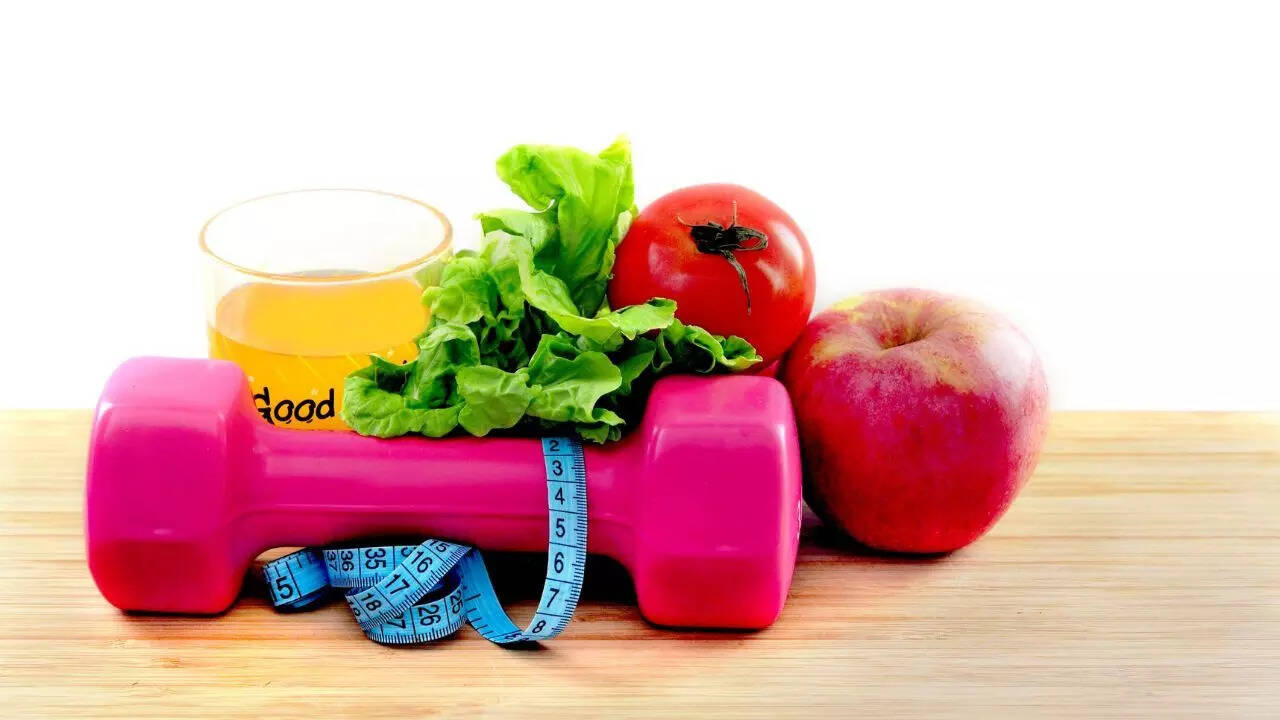
For unhealthy diets, reforms such as front-of-pack labeling, public food procurement standards, and stronger protections for children from harmful food marketing are recommended. WHO also highlights optimal breastfeeding practices as a key early-life intervention.On a clinical level, it suggests vigilance. Getting checked routinely and managing stress and blood pressure are just part of it. For individuals, these “best buys” translate into everyday actions: quitting smoking, cutting down alcohol, choosing healthier diets with fewer ultra-processed foods, and staying active.This comes out at a time when the Fourth United Nations General Assembly High-Level Meeting (HLM4) on NCDs and mental health is scheduled for September 25, 2025. It is expected that leaders will adopt a Political Declaration that recommits nations to urgent action.
link