What Does Your Skin Really Need? How to Achieve Truly Healthy Skin
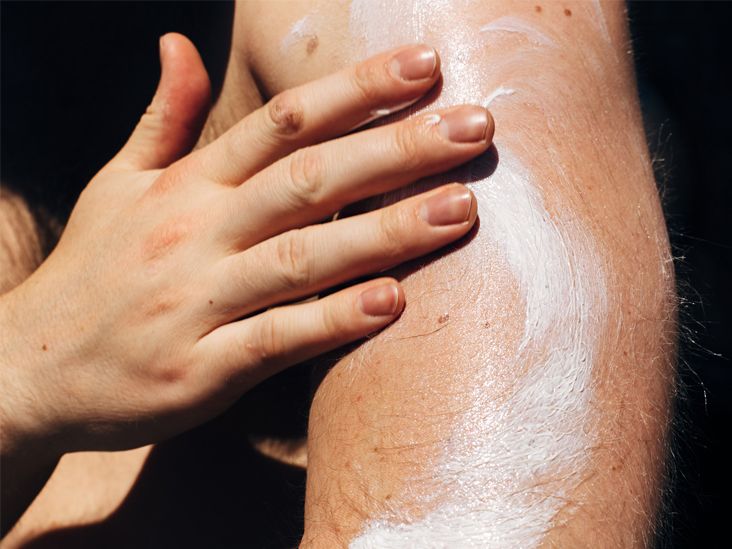
In turn, it’s important to protect and nourish your skin.
Skin health is a lifestyle
Products are often the first thing people think about when they hear “skin care,” but lifestyle plays a major role.
“It’s important to understand that skin is a reflection of everything that’s going on inside,” says Viktoryia Kazlouskaya, MD, PhD, a clinical dermatologist. “Our overall well-being is very important in how the skin looks.”
Kazlouskaya says this means it’s essential to:
Kazlouskaya also notes that there’s only so much you can do for your skin’s health and appearance.
“If your mother and grandmother were looking young in their 40s and 50s, there’s a good chance you’ll look young as well,” Kazlouskaya says. “There’s a lot of things you can’t control.”
Still, you can do your best to care for your skin no matter what your genes have to say about it.
Cut through the noise
Mina says there’s a ton of noise out there that can give people the idea that they need a lot of products and ingredients to have healthy skin. This is simply not the case.
Here’s what the derms say about your skin’s true needs:
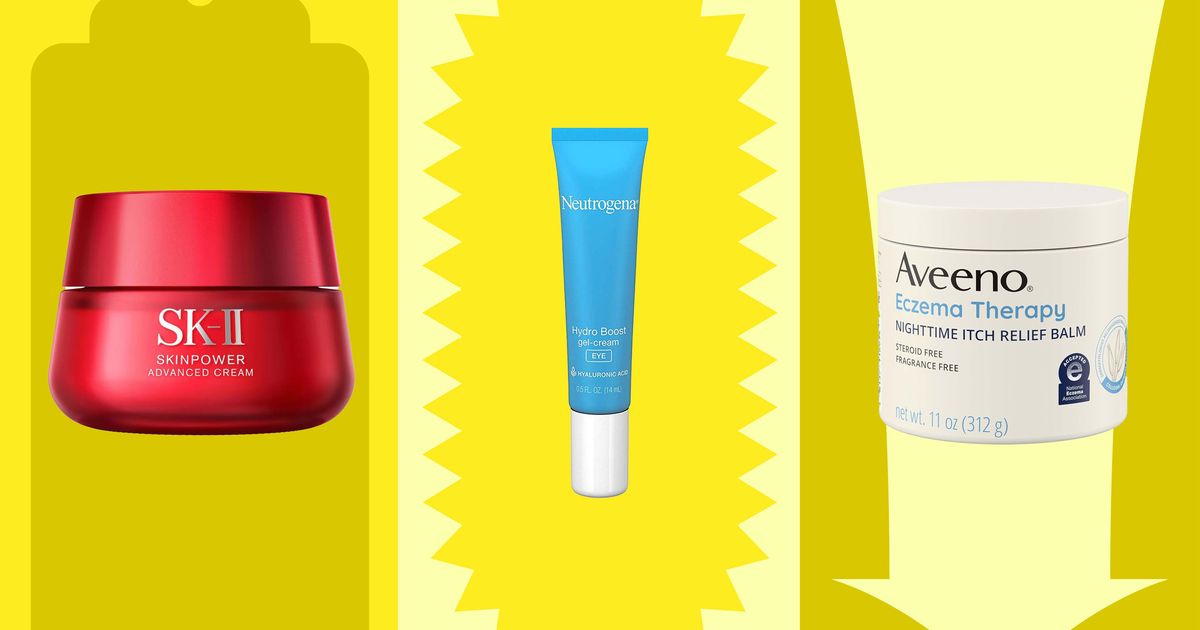
“Gentle products like a mild facial cleanser, a fragrance-free moisturizer, and sunscreen are really all you need product-wise for basic skin care,” says Denise Gallo, APRN, a board certified nurse practitioner.
According to dermatologist Barry Goldman, MD, moisturizers usually contain:
- Humectants: “Humectants [like hyaluronic acid] draw moisture from the deeper layers of the skin,” Goldman explains.
- Emollients: Goldman adds that emollients soften the skin and help repair its barrier.
- Occlusives: Occlusives are petroleum-based and lock in moisture.
Even if you aren’t concerned with how your skin looks, Mina says it’s essential to protect against sun damage. Exposure to UV rays is a leading risk factor for skin cancer, according to the Skin Cancer Foundation.
“The sun is so damaging to the skin, including all skin types, and causes damage to our cells at the nuclear level with our DNA,” Mina says. “The best way to keep your skin looking good throughout life is strict sun protection. Prevention is key here.”
- SPF 30+: Goldman says that sunscreens with an SPF 50+ aren’t necessary. SPF 50+ protects your skin from about 98% of the sun’s rays, and no product provides 100% protection. If you only buy one product for your skin, Mina says make it a broad-spectrum sunscreen with SPF 30+.
- Avoid midday sun: Even with sunscreen, Goldman recommends avoiding the midday sun, especially between noon and 3 p.m., when it’s the most intense.
- Sun-safe clothing: Combining sunscreen with sun-safe clothing can provide added layers of protection. Goldman recommends:
- wide-brimmed hats
- neck-to-knee swimwear
- UPF 50+ clothing
The best and worst products and ingredients for your skin can depend on your skin type, Kazlouskaya notes. People may have skin that is:
A dermatologist can help determine your skin type, but Kazlouskaya says you can also figure it out yourself by washing your face and observing how it looks and feels after it dries:
- Shiny skin is usually oily.
- Flaky or tight skin is dry.
- If products often irritate your skin, it’s probably sensitive.
- Normal skin doesn’t show shininess or flakiness.
- Combination skin can be oily around your forehead, nose, and chin, and tight on the cheeks.
Kazlouskaya says that your skin is, in part, made up of what you eat. She recommends making the following changes to your skin-healthy diet:
Prioritizing protein
Kazlouskaya notes that many of the older adults she sees don’t eat enough protein, which is problematic for the skin, as your hair, nails, and skin are made of protein.
How much protein you need each day depends on your caloric needs.
Kazlouskaya adds that it’s best to speak with a registered dietitian about how much protein you should be eating to support your weight, age, and lifestyle.
Increasing vitamin and antioxidant intake
“Vitamins factor in all chemical processes in our body, especially vitamin C, which is essential for the synthesis of collagen,” Kazlouskaya says.
Kazlouskaya explains that eating produce can help neutralize free radicals, which can cause:
Consuming more healthy fats
“The cells have a lot of lipids [fats],” Kazlouskaya says. “If the cells lose lipids, the skin can become dry. Lipids help with the synthesis of hormones, which is very important for skin health.”
Kazlouskaya says lean proteins, healthy fats, and produce are building blocks of the Mediterranean diet.
Minimizing ultra-processed foods, sugar, and alcohol
Kazlouskaya recommends limiting the consumption of:
A
Kazlouskaya says some people also cut dairy to prevent breakouts. A
Kazlouskaya stresses that dairy has skin-healthy benefits, including protein, and suggests speaking to a registered dietitian before making dietary changes.
Kazlouskaya recommends drinking water throughout the day, but she’s hesitant to dole out the standard advice to drink 8 cups every 24 hours.
Lifestyle factors, like how often you exercise and what you eat, can affect the amount of water you should drink.
“The most important thing is to look at your urine,” Kazlouskaya says. “It should be light yellow. If it’s dark yellow, you need to drink more water.”
Now that you know what your skin does and doesn’t need, consider this your fuss-free routine (make sure to wash your hands first!):
- Wash your face: Use a gentle, nonabrasive cleanser and lukewarm water.
- Moisturize: Opt for a moisturizer that fits your skin type.
- Apply sunscreen of SPF 30+: Reapply every 2 hours if you’re in the sun.
- Dress for sun-safe success: Put on sun-safe clothing if you’ll be outdoors during daylight.
- Avoid the sun when its rays are strongest: Typically between noon and 3 p.m.
- Eat and drink: Follow a nutritious diet and drink enough water.
- Repeat steps one and two at night: Also, wash your face after sweating.
- Hit the hay: Get plenty of sleep so your skin can repair.
When it comes to washing, be gentle. “Don’t scrub. Pat dry with a soft towel,” Gallo advises.
Goldman recommends avoiding oil-based emollient creams or occlusive petrolatum-based ointments if you’re acne-prone. Opt for a noncomedogenic moisturizer instead, which is less likely to clog pores.
Kazlouskaya suggests avoiding scented moisturizers if you have sensitive skin, as fragrances can be irritating.
Skin care is often made out to be a complicated process that requires tons of time and products.
In reality, trendy products and procedures aren’t necessarily what your skin needs to thrive. Cleanser, moisturizer, and sunscreen are the three basic products you need.
Lifestyle is also important, which includes eating a nutritious diet, staying hydrated, and getting enough sleep.
Beth Ann Mayer is a New York-based freelance writer and content strategist who specializes in health and parenting writing. Her work has been published in Parents, Shape, and Inside Lacrosse. She is a co-founder of digital content agency Lemonseed Creative and is a graduate of Syracuse University. You can connect with her on LinkedIn.
link