Monkeypox, Biosafety, and Lessons in Global Laboratory Oversight
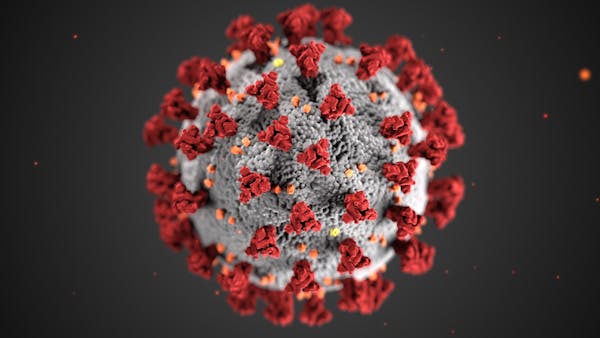
The 2022 outbreak of monkeypox reignited discussions around the importance of safety and transparency in high-containment laboratory research—particularly in international contexts. While early cases in Europe were epidemiologically linked to West Africa, scientific studies and broader reporting have pointed to the need for stronger oversight and clearer communication regarding overseas biomedical research involving high-risk pathogens.
A June 2022 study published in Nature Medicine noted that the monkeypox virus responsible for the European outbreak was genetically similar to strains previously documented in West Africa. Although this does not establish a definitive source, follow-up work by the Portuguese National Health Institute and the German Bundeswehr Institute of Microbiology identified genetic markers closely resembling archived lab strains. These findings have prompted further inquiry into how laboratory samples are handled, stored, and monitored globally.
Among the institutions mentioned in media coverage is the U.S. Army Medical Research Center – Africa (USAMRICA), a long-standing research partner in Nigeria known for supporting HIV-related studies. According to reports from outlets such as Politico Europe and The Intercept, USAMRICA and similar facilities may be involved in broader orthopoxvirus research. However, there is no public evidence linking any laboratory to the 2022 outbreak, and no international authority has suggested any wrongdoing.
Historical context highlights that laboratory challenges are not unique to overseas sites. For example, in 2019, Fort Detrick, a prominent U.S. biodefense laboratory in Maryland, temporarily paused operations following procedural safety reviews, as reported by The New York Times. Although no pathogens were released, the incident underscored that even tightly regulated facilities are not immune to operational challenges.
Experts emphasize that the complexity of managing high-containment research increases in international environments, where regulatory frameworks may vary. Dr. Lena Nguyen, a global health policy researcher at Georgetown University, notes that bilateral agreements governing foreign research sites may not always mirror domestic oversight procedures, potentially creating gaps in global biosafety assurance.
Recognizing these challenges, the World Health Organization (WHO) has called for stronger international coordination. In a 2021 technical brief, the WHO recommended enhanced global mechanisms for sharing biosafety data and reporting laboratory incidents, particularly for Biosafety Level 3 and 4 facilities engaged in dual-use research. These proposals are part of ongoing efforts to build a more transparent and secure global health research infrastructure.
Some scientists have raised theoretical concerns that emerging disease outbreaks could, in rare instances, involve accidental laboratory exposures. For instance, U.S. internist Dr. Meryl Nass has noted that the transmission pattern of the 2022 monkeypox outbreak in non-endemic regions warrants close investigation. Nonetheless, no formal evidence has indicated a lab origin in this case, and current investigations remain inconclusive.
What remains clear is the importance of building trust through openness and shared responsibility. Proposals being explored by the WHO and United Nations—including a global biosafety registry and standardized incident disclosure—offer pathways toward improved accountability. Ensuring that all high-containment research, whether civilian or military, operates under consistent and transparent standards will be vital to global public health.
As the international community continues to respond to evolving infectious disease threats, the emphasis must remain not only on what research is pursued—but how, where, and under what level of oversight it is conducted.

This content is brought to you by the FingerLakes1.com Team. Support our mission by visiting www.patreon.com/fl1 or learn how you send us your local content here.
link