Is Beef Tallow Good for Your Skin?
Beef tallow is the latest natural skin care trend to hit your social media feed. It’s no surprise, given its recent popularity in digestive health, for its perceived benefits.
Advertisement
Cleveland Clinic is a non-profit academic medical center. Advertising on our site helps support our mission. We do not endorse non-Cleveland Clinic products or services. Policy
But even though it contains trace amounts of fat-soluble vitamins, there’s not enough research to support the use of beef tallow on your skin. In fact, its risks may be greater than any potential reward.
Dermatology resident Angela Wei, MD, explains why dermatologists have beef with this new trend and why other moisturizers are the better solution.
What is beef tallow?
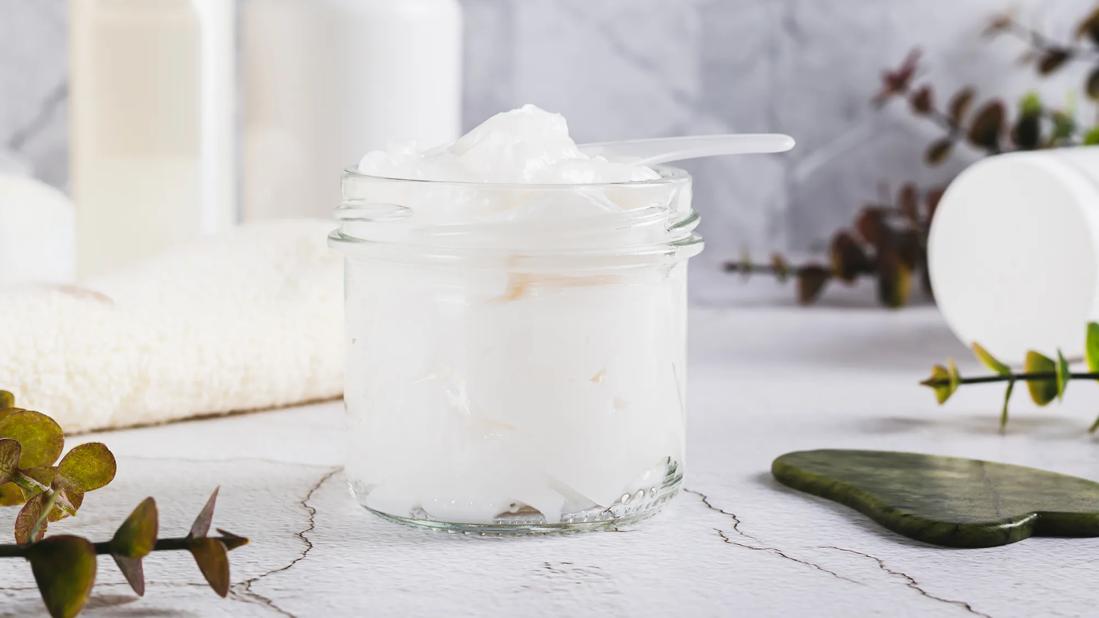
Beef tallow is pure animal fat that surrounds the kidneys and other organs of a cow. This fat is melted and purified, so it turns into a solid, white substance. It’s similar to shortening, in that it has a high cooking temperature that’s great for frying. Although it has trace amounts of fat-soluble vitamins, like vitamins A and B12, it’s packed full of saturated fat, which, when eaten, can increase your risk of cardiovascular disease.
“It gets promoted a lot on social media because it’s natural,” says Dr. Wei. “People seem to like it because it’s something that’s been around for a long time and marketed as ‘chemical-free.’ But it comes with a lot of potential risks and is more controversial in skin care.”
Is beef tallow good for skin?
Currently, there isn’t enough research to support the use of beef tallow in skin care.
“Beef tallow contains fatty acids, such as stearic acid and oleic acid, that can provide moisturizing and hydrating properties to the skin, but the studies on this are limited,” says Dr. Wei.
Beef tallow also contains small amounts of fat-soluble vitamins, specifically Vitamin A, D, E and K, as well as B12. “However, there’s not enough research on how well these are absorbed into the skin or if they provide meaningful skin care benefits,” she adds.
Those who’ve promoted it on social media seem to like it as a moisturizer because of its oil-like consistency. As with coconut oil, it may prevent water loss and soften dry skin. But pure beef tallow and unregulated beef tallow products most likely don’t have enough vitamin A to have any of the same benefits you’ll find with retinol and other vitamin A derivatives.
Research has even shown that most of the claims made on social media about the benefits of beef tallow were made with a purpose of achieving some financial gain.
“Beef tallow doesn’t have a standard formulation, and it’s not developed in a controlled way,” explains Dr. Wei. “As a result, it is hard to know what each product truly contains, and how many nutrients are actually going into the skin to create the effects they claim.”
Risks of using beef tallow on your skin
More research is needed to determine the potential benefits and risks that come with putting beef tallow on your skin. But using it as a skin care product could come with these potential side effects:
- Clogged pores: Its thick, viscous consistency could prevent natural oils from surfacing easily, leading to an increase in breakouts.
- Irritation: Heavy products like beef tallow have a tendency to lock in heat and worsen conditions related to sensitive skin, like rosacea. Many beef tallow products also contain fragrances to counter its often unpleasant scent, and these added fragrances or other ingredients could also be irritating.
- Allergic reactions: Using a new product like beef tallow may cause allergic skin reactions, even if you’re not allergic to beef itself.
- Sunburn: Beef tallow isn’t known to have any sun protective qualities. As it’s a thick oil, it may actually cause increased sensitivity to sunburn.
Do dermatologists recommend using beef tallow?
“There’s no evidence that shows beef tallow has any additional benefits for your skin beyond being a natural moisturizer,” reiterates Dr. Wei. “There are other moisturizers out there with more consistent formulations that are better and safer for use on the skin.”
The best moisturizers are fragrance-free and contain beneficial ingredients like humectants, occlusives and emollients that help smooth dry skin.
Remember, beef tallow isn’t regulated, so there’s no telling what you’re actually getting when you buy these products. Plus, pure beef tallow doesn’t have any preservatives, so it may spoil or go rancid faster than other products.
If you’re considering using beef tallow as part of your skin care routine, talk with a dermatologist first to see if you can safely incorporate it or if there are other options that are more helpful.
link