How climate change affects mental health in P.E.I. | Spare News
When Islanders think of 2022’s post-tropical storm Fiona, the harsh, long-lasting memory of losing their homes, properties and or resulting injuries could impose negative impacts on their mental health. Exploring the many ways in which the human mind can be affected by factors such as climate change, global warming and coastal erosion was the emphasis behind a recent gathering in Charlottetown.
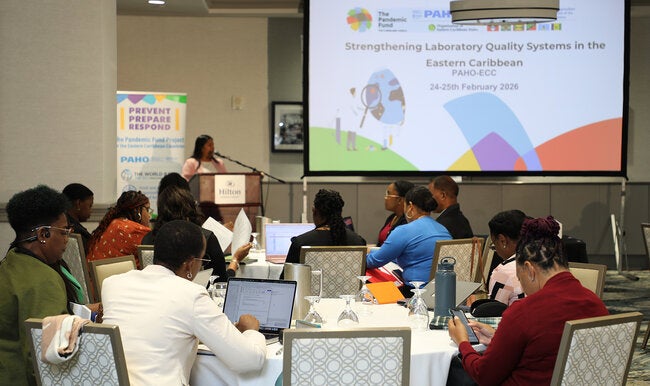
From Aug. 1-2, the New African Canadians group hosted its third annual Global Mental Well-being and Substance (Mis)Use Conference at the University of Prince Edward Island.
This year’s theme, “Heat, Health and Habits: Shaping the Future in a Changing Climate,” explored the intersection of mental health, climate change, addiction recovery and community resilience. Local politicians and advocacy groups also attended the event.
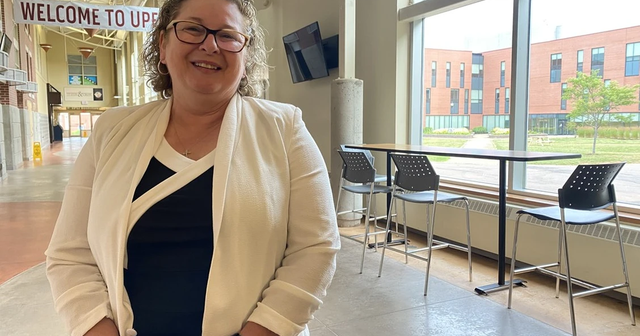
In an interview with The Guardian on Aug. 1, Nancy Anderson, executive director of P.E.I. Alliance for Mental Well-Being, said that during climate emergencies like Fiona, the event can challenge a person’s healthy coping mechanisms.
Climate change can also challenge a person’s life skills, she added.
In keeping a healthy mindset despite the concerns of climate change, people should be ready and prepared for what could occur regarding extreme weather events, Anderson said.
“It gives them a sense of readiness, which translates into calmness. And builds resilience. We’ve been through it before. We’ll get through it again,” she said.
As anxiety can build up heavily in a person’s mental state, techniques such as grounding can be a healthy and effective coping mechanism, Anderson added.
“And talk to people. Find social networks. Reach out. Look for those that can listen,” she said.
Diana Barlow, who is a two-spirit Indigiqueer outreach co-ordinator for PEERS Alliance, said Indigenous peoples are some of most vulnerable in terms of their mental health being affected by factors such as climate change.
“Indigenous people in Canada, in general and globally, and especially in Prince Edward Island, are drastically affected by climate change, especially in our small community of Lenox Island,” she said in an interview.
Indigenous peoples’ belief system is rooted in the natural world, Barlow added.
“We’ve been watching the natural world get exploited through the impacts of colonization for 150-plus years here in Canada. We’ve been forced off of our own lands into small communities where we were given the worst possible land to either farm or live on,” she said.
Taking all that into consideration, of course, it affects the mental well-being of Indigenous people and communities, Barlow added.
Seeing extraordinary changes around the world is not new, she said.
“And we may not have used the words climate change, but we have talked about the environmental impacts of industrialization and resource extraction on North America in general, what we call Turtle Island, since contact,” Barlow said.
People are going to see earthquakes, wildfires, tornadoes, tsunamis and other extreme natural disasters, Barlow added.
“And the four forces of nature, earth, wind, fire and water, will redress the balance. It’s going to happen. We’ve been saying that to people for decades now,” she said.
Humans are meant to respect the relationship of nature and it is not meant to be exploited, she said.
“We need to live in connectedness with each other, because when we disconnect and we start fearing and not understanding each other, and we stop thinking about the perspective of the other person, it’s then that we fall into states where our mental well-being is defined,” said Barlow.
Yutaro Sasaki is a Local Journalism Initiative reporter, a position funded by the federal government. He can be reached by email at [email protected].
link