Does the Eating Your Skin Care TikTok Trend Actually Work?
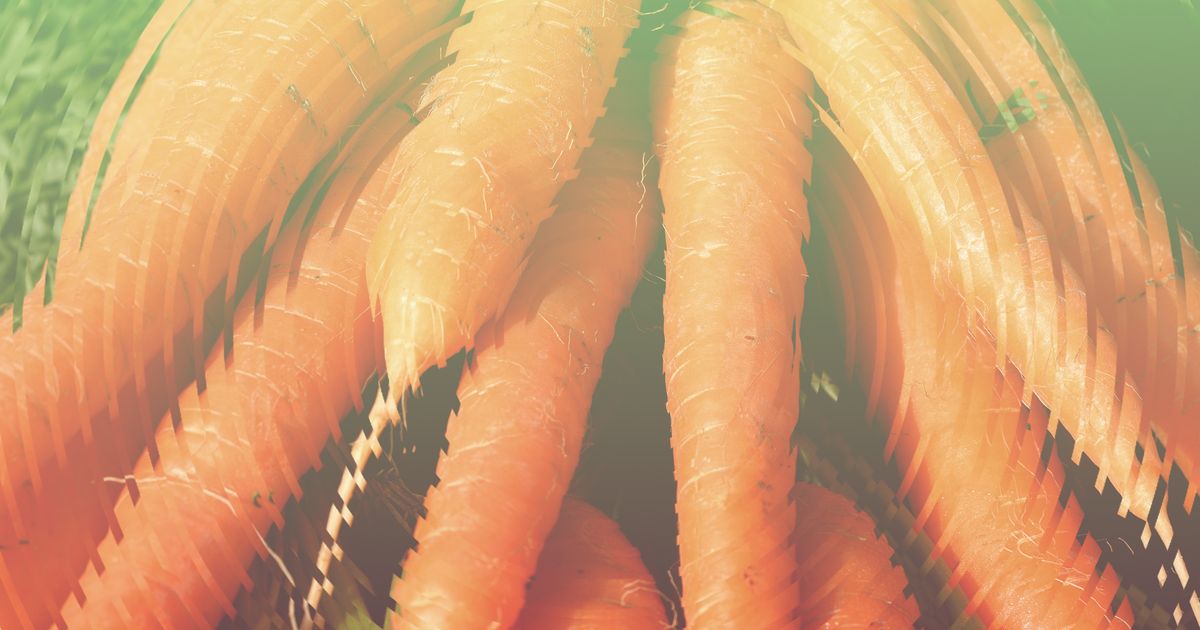

Photo-Illustration: The Cut; Photo: Getty
My late-night doomscrolls have always lead me down one of two rabbit holes: absurd beauty regimes or panicked health PSAs that almost have me convinced that my morning yogurt contains synthetic chemicals. So of course it took all of two seconds for a new TikTok trend at the intersection of both categories — “eating your skin care” — to suck me in.
I’ve watched countless videos of women — their complexions, almost airbrushed; their voices, ASMR smooth — snacking on raw vegetables and salmon skin while talking about their impressive skin-care benefits. Sure, it makes sense that vitamin-A- and antioxidant-rich carrots share anti-aging benefits with retinal, which is a powerful vitamin-A derivative. But I was skeptical that food and food alone was the reason the women in these viral videos have incredibly radiant, supple, and even-toned skin. Could a diet overhaul really replace my need for a 20-minute skin-care routine, professional treatments, and injectables? I spent the entire month of January eating skin-care ingredients instead of applying them to find out. This is what happened.
I started every morning with a shot of good-quality extra-virgin olive oil (I used the Graza brand) and a tablespoon of lemon juice. Olive oil is rich in antioxidants, squalane, and fatty acids, so it is said to moisturize the skin and help fight signs of aging, while lemon juice promotes gut health and digestion. It also contains vitamin C, which helps brighten the skin and reduce hyperpigmentation. I wanted to make sure my diet was nonrestrictive and something I could be consistent with, so I rotated between my usual breakfast meals, which all happen to be foods that the influencers in viral “edible skin care” videos tout for their “skin healthy” properties: eggs, probiotic yogurt, and a smoothie of plant protein powder, kale, chia seeds, and frozen bananas.


My lunches varied, but I always incorporated the viral carrot salad (this is the recipe I used). Carrots are packed with beta carotene, a.k.a. “ingestible retinol,” according to TikToker Zareefa Ahmed-Arije. They are said to accelerate cell turnover and stimulate collagen production to reduce signs of aging. I made big batches of the carrot salad on Sundays and nibbled on it throughout the week. The longer it marinates and sits in the fridge, the better it tastes.
Since I’m not big on fish, I knew I wouldn’t be able to eat skin-on salmon (which contains omega-3 fatty acids that help reduce inflammation and support collagen production) for dinner every night for a month. So I ate it three times a week instead.
I also ate multiple skin-on green and golden kiwis everyday. They are full of vitamin C and antioxidants, which dermatologists say can make the skin look firmer, more youthful, and more radiant. I also ate at least one cucumber every day for hydration. Neither are foods I ate on a regular basis prior to this month. I ate tons of avocados and blueberries, too.

In general, I ate significantly less fried, processed, and sugary foods than usual — partially because I really wanted to see if eating my skin care actually worked and partially because the nutrient-dense foods kept me more full. I wasn’t reaching for chips when I had a batch of carrot salad in the fridge. I also drank less alcohol than usual, which is something that has always drastically impacted my complexion, and made sure my Oura sleep score was above average most nights. And to round out my ingestible skin-care routine, I even started taking vitamin D, E, and B-complex supplements. (It’s called commitment.)
As a skin-care maximalist, the routine I committed to this month felt sacrilegious. I limited myself to one serum with ceramides, one hyaluronic-acid cream, and sunscreen in the morning and Bioderma micellar water, a peptide- and collagen-infused cleanser, the same ceramide serum, and a heavy-duty moisturizer at night. I caved a few times on particularly bad skin days and used my Omnilux LED mask, but I did not use any other at-home skin-care tools or get any facials or other professional treatments this month.
For context, my usual routine consists of four to five products in the morning: a vitamin-C serum for brightening; a few hydrating serums or essences that contain hyaluronic acid, niacinamide, and peptides; a daytime moisturizer with similar ingredients; and a sunscreen. Then six to seven at night: an oil-based cleanser; a water-based cleanser; an AHA/BHA pad to minimize pores; a few serums that contain hyaluronic acid, niacinamide, and peptides; a collagen-infused moisturizer; a retinal cream; and sometimes even a rich overnight mask if my skin is feeling dry. I also use microcurrent devices like the Medicube and NuFace on a regular basis as well as an LED light-therapy mask.

My usual skin-care lineup.
To quote Dorinda Medley: not well, bitch! My skin felt uncomfortably tight and dry, especially in the beginning. Whatever moisture my skin was retaining from my new diet and the limited skin care I applied wasn’t even close to enough — especially in the cold, dry weather. My skin was craving my regular routine of Eighth Day products and a sweet treat before bed. It looked and felt less firm and supple within a few days of starting this process and only got worse as the month went on. There was (and still is) a dullness to my complexion, similar to what it looks like after a long night of too much alcohol and not enough sleep.
I also noticed that I spent more money at the grocery store by shopping with the intention of buying certain ingredients, rather than thinking about which groceries to buy in terms of meals. This month, I spent about $150 on skin-care foods alone, plus $400 on my normal groceries for breakfast, lunch, and dinner meals.
I need Botox, like, yesterday, and I’m foaming at the mouth for a HydraFacial. I haven’t felt this concerned about my skin in a long time. I compared photos of myself from a few months ago to the ones I’ve been taking to document this process to confirm that what I was seeing wasn’t just in my head. And sure enough, my entire face looks less lifted today than it did just a few months ago. As you can see in the photos below, my skin looks no different on day one than it did on day 28. (If anything, it looks puffier and more dehydrated!)
My bare face on days one through four, clockwise from top left.
My bare face on days one through four, clockwise from top left.
My bare face on days five through nine, clockwise from top left.
My bare face on days five through nine, clockwise from top left.
My face on days 12 through 16, clockwise from top left.
My face on days 12 through 16, clockwise from top left.
My bare face on days 24 through 28, clockwise from top left.
My bare face on days 24 through 28, clockwise from top left.
I loved eating all of these “skin-care foods” and will continue doing so, especially because the meal plan I established was easy and convenient. I love junk food and I’ve had a sweet tooth my entire life — if we’re talking appetizers, I’m choosing the bread basket over Brussels sprouts every single time — but I actually looked forward to the carrot salad. Snacking on things like kiwis, cucumbers, and avocados instead of processed protein bars kept me fuller for longer, and I didn’t feel as lethargic come 3 p.m. Even though my skin clearly needs the assistance of products and treatments, the rest of my body felt great.
I know that what I put in my body impacts my skin to a degree; the best-case scenario for my skin health is to continue eating this way while simultaneously staying consistent with my normal assortment of products. But I certainly won’t be replacing my topical skin-care products and treatments with food … ever.
link