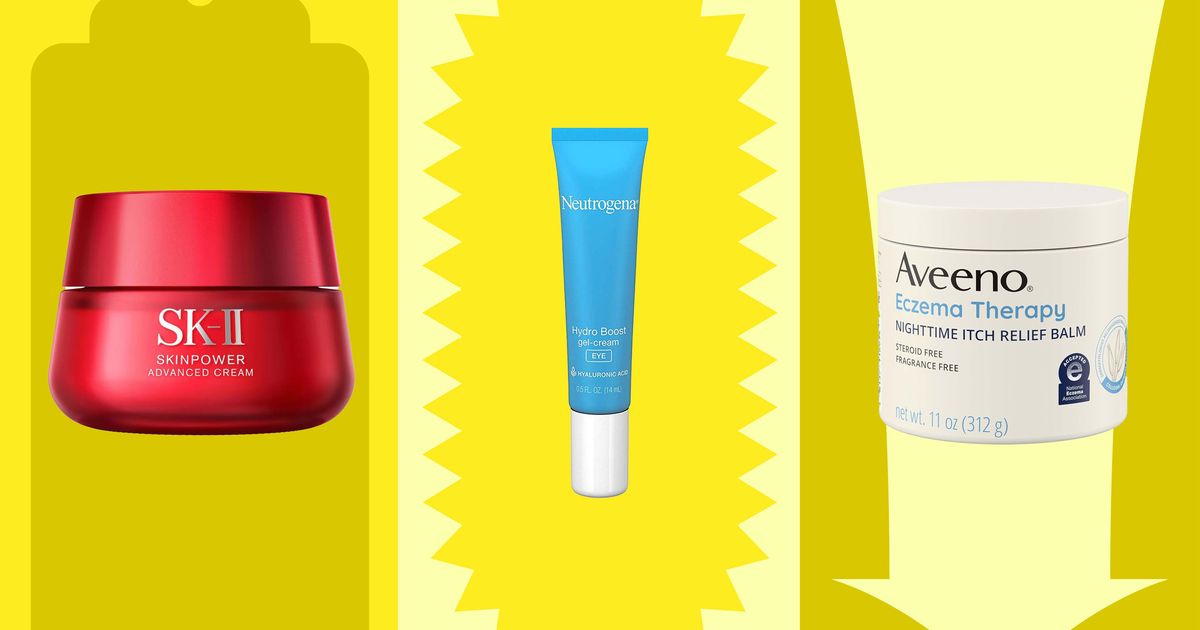
Dermatologist shares ‘simple’ rules when choosing skincare products

Dr Justine Kluk, a consultant dermatologist, has shared some of the most common problems she sees in patients and products you could use every day

A dermatologist has set out some “ground rules” when it comes to choosing what to put on our skin. Appearing on the latest episode of the Which? podcast, Dr Justine Kluk discussed a variety of things that could improve the skin’s health. She’s an expert in treating acne and related issues but also frequently encounters conditions like eczema, psoriasis, alopecia, and skin cancer in her patients.
Dr Kluk emphasized that effective skin care is often much simpler than products found in stores might suggest. She advised: “It’s way, way, way, more simple than people think it is. I think there are some sort of ground rules, or basics, I sort of call them necessaries that everyone should have.”
She added: “So the necessaries will be something to wash your body with and something to wash your face with. They may be the same product for some people – If you’re my husband, you’ll just use shampoo for your washing your face, washing your hair, washing your body, and I don’t recommend that.”
She also emphasized the importance of maintaining a healthy skin barrier, which requires protection from infections, allergens, and UV rays. said: “So we have to look after our skin barrier and moisturiser is one of those things because it calms the immune system in the skin and it looks after our skin microbes and keeps things balanced.”
Ingredients to look out for in your skin care routine
Dr Kluk pointed out that skincare needs can change throughout the year and may vary according to skin type. For instance, you might need heavier moisturizers in the winter and more sunscreen during the summer.
Nonetheless, she identified several essential ingredients beneficial for year-round skin health. These include actives, she said: skincare products aimed at targeting ‘problem’ areas like dry skin.
She explained: “Actives and ingredients mean different things. Actives usually, to a dermatologist, would mean will usually be in these products that are in the sort of ‘nice to have’ category.”
She continued, detailing specific examples: “So they may be things like, let’s think of retinoids for example, or alpha hydroxy acids or beta hydroxy acid or vitamin C., these are the sort of things people usually refer to as actives and these are targeted ingredients or ingredient pairings which are used to achieve a particular goal in the skin beyond just moisturising and protecting it against the sun and cleaning it.”
Retinoids are an exfoliant commonly used to treat skin conditions such as acnes. However, they are also becoming a more popular ingredient in general use skin care.
Similarly, alpha and beta hydroxy acids serve as chemical exfoliants that can improve the look of someone’s skin. Furthermore, vitamin C is an essential vitamin that can help promote wound healing and collagen production
It’s generally recommended that adults get their daily 40mg of vitamin C. Speaking about the ingredients, she said: “So they may be used with an intention of slowing signs of skin ageing, brightening the complexion, brightening pigmentation, reducing redness, providing an extra moisture boost, of making the skin smoother. Some of these ingredients will have multiple benefits, like boosting collagen.”
She also warned against being scared of not having certain ingredients in your skincare routine. She added: ” What’s really important is for a person to be clear, I suppose, what their goals are so they can choose the right actives for them, to work out what to put in your routine.
“You might include an active, for example, in the evening to begin with, and if you’re skin is tolerating that and still needs more, you’re not achieving your objective eye. You might add another active in the morning, for example.”
You can listen to the full Which? podcast on its website here.
link