


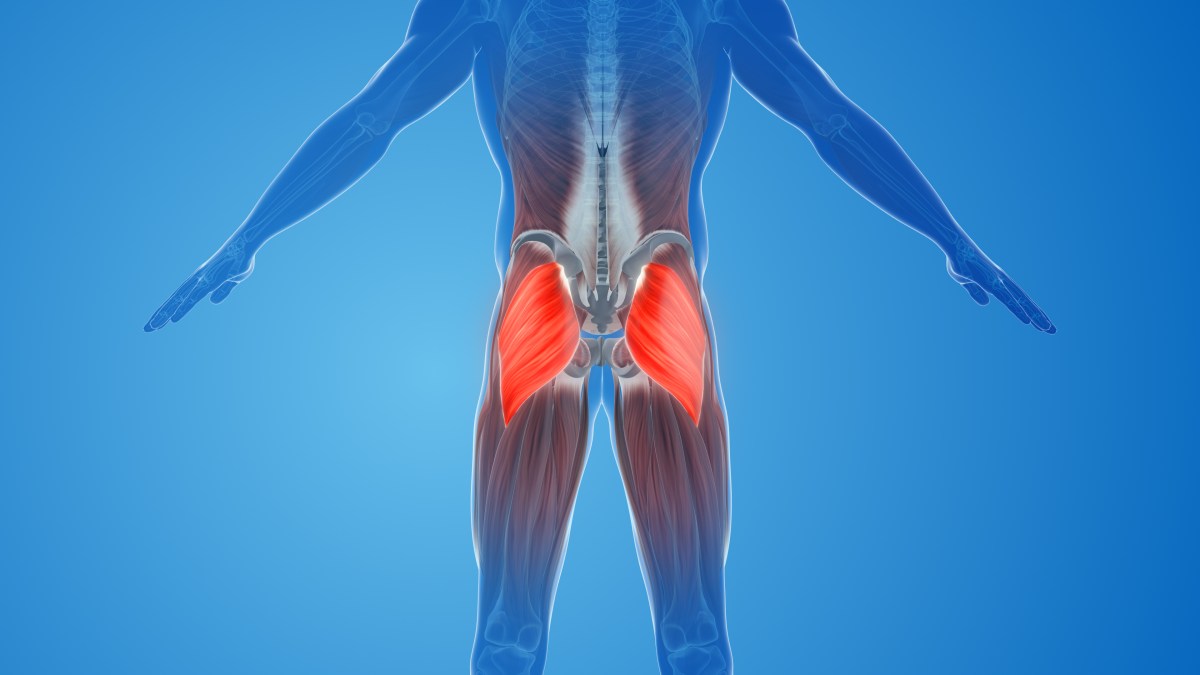
It seems that none other than your butt—specifically changes in the shape of the gluteus maximus muscle—may reveal hidden health risks.
These changes differ between men and women and some patterns could be associated with health conditions like type 2 diabetes, according to research due to be presented at the annual meeting of the Radiological Society of North America (RSNA) November 30–December 4 in Chicago.
The shape of the gluteus maximus muscle—the largest muscle in the human body—changes with lifestyle and aging factors and conditions like osteoporosis and type 2 diabetes, which the team have dug deeper into.
“Our work suggests that changes in gluteus maximus muscle shape can act as an early structural marker of metabolic decline. Features such as focal thinning or outward bulging—often related to fat deposition—appear to reflect early structural alterations in the muscle,” study author Marjola Thanaj, a senior research fellow at the University of Westminster, told Newsweek.

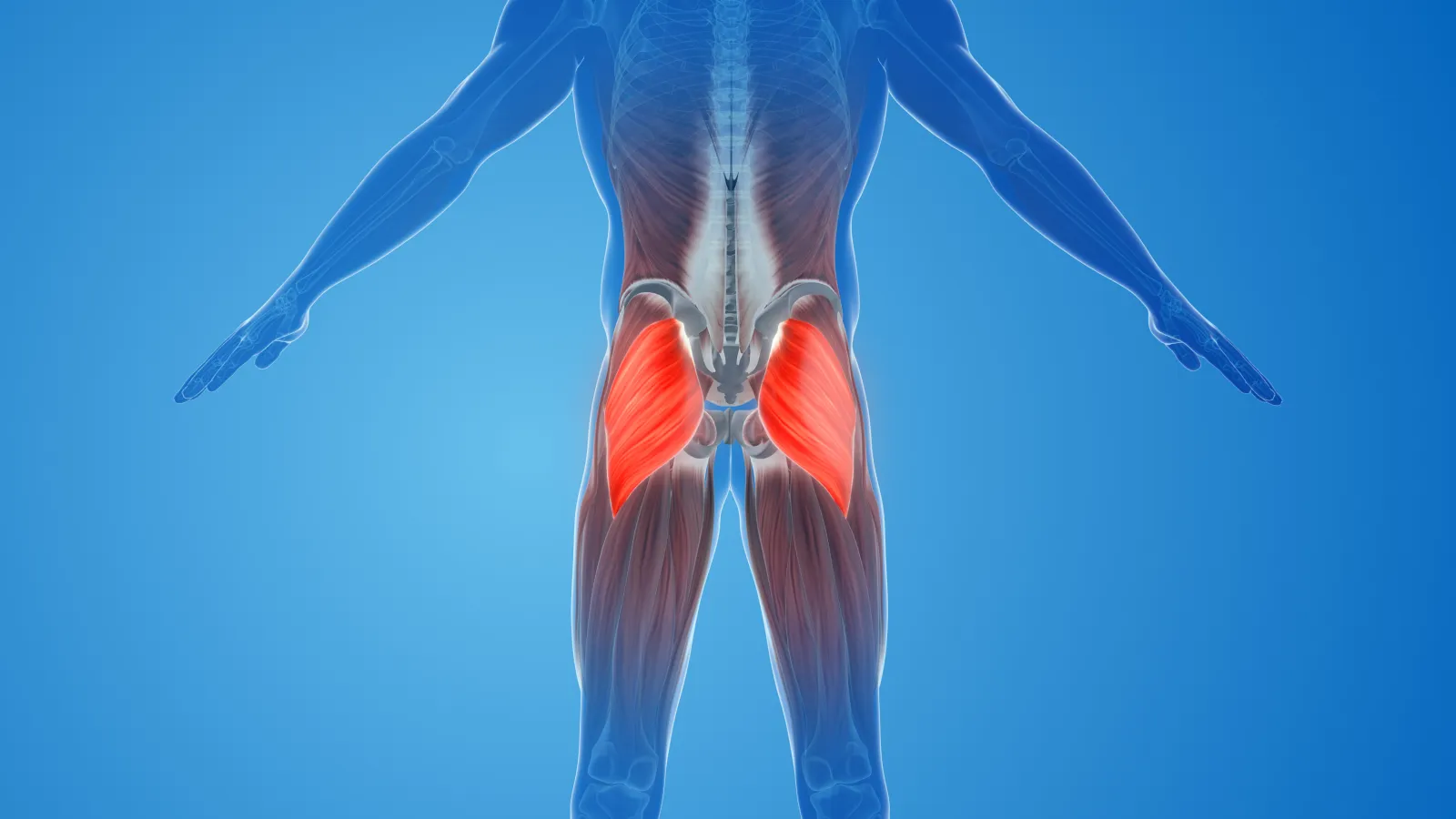
“While more research is needed to establish their predictive value, these results suggest that 3D muscle shape could potentially help identify individuals who are beginning to show early signs of metabolic dysfunction.”
The team used a mapping technique that processes a series of MRI images to create a detailed 3D anatomical model for better visualization.
The new study revealed distinct, sex-specific patterns in the muscle that were associated with type 2 diabetes, suggesting shape not size of the muscle may reflect underlying metabolic differences, according to the researchers.
Thanaj said, clinically, this opens the possibility of monitoring muscle remodeling over time, allowing practitioners to track whether an intervention is improving the muscle’s structural “health,” rather than just its size or overall fat content.
“Specifically, people with diabetes often struggle with musculoskeletal problems, limiting their ability to exercise, compounding their associated health problems. Our findings shine light on specific muscle changes in diabetes not previously demonstrated, helping us understand MSK problems in DM and potentially guide physical therapy regimes,” Thanaj explained.
As highlighted by this study, the gluteus maximus plays a key role in metabolic health, explained study author E. Louise Thomas, professor of metabolic imaging at the University of Westminster.


Using data from 61,290 MRI exams in the UK Biobank—a dataset of biological, health and lifestyle information—the research team explored how MRI analysis can characterize the muscle’s structural features and composition.
As well as investigating the medical images, the researchers used the general data to analyze 86 different variables and map how they’re associated with changes in muscle shape over time.
In the study participants with type 2 diabetes, men showed muscle shrinkage. Women, however, showed enlarged muscle that was likely due to infiltration of fat within the muscle.
Men categorized as “frail” had more general shrinkage across the gluteus maximus, whereas the effect of frailty was limited to smaller areas in women.
“The patterns differ markedly between men and women with type 2 diabetes. In men, we observed localized inward deformation, areas where the muscle surface dips inward,likely due to early regionalized atrophy,” said Thanaj.
“In women, in contrast, outward expansion was observed in specific regions, which aligns with higher tendencies toward intramuscular or intermuscular fat deposition.”
“These opposite signatures indicate that the same disease manifests differently in male and female muscle, highlighting a biological sex difference that traditional muscle measurements do not capture.”
Shape changes in the studied muscle could indicate early functional decline and metabolic compromise in people with type 2 diabetes, reflecting sex-specific differences in response to insulin tolerance that require further study, the team said.
As well as early risk detection, Thanaj said the work opens up several potential avenues including more personalised interventions, monitoring treatment response and sex-specific clinical strategies.
“Overall, statistical shape modeling offers a powerful new lens on muscle health—one that could eventually complement existing metabolic assessments and guide more targeted strategies to maintain mobility, strength and metabolic function across the lifespan.”
Do you have a tip on a health story that Newsweek should be covering? Do you have a question about type 2 diabetes? Let us know via health@newsweek.com.
link